Fisheriers & Aquaculture
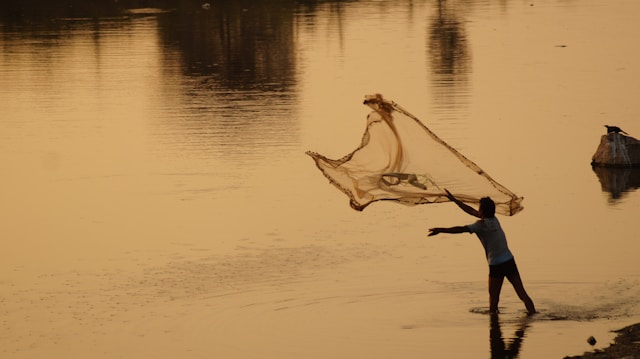
The Western Region offers a strong natural foundation for the development of a sustainable and profitable fisheries and aquaculture industry. With its long Atlantic coastline, numerous rivers, lagoons, estuaries, and inland water bodies, the region is well-positioned for marine fishing, freshwater aquaculture, and fish processing ventures. There is growing demand for fish and seafood both domestically and in the export market, creating room for investment across the entire value chain.
Sustaining Seas, Harvesting Harmony
Rich Marine and Inland Water Resources
1. The Western Region has over 192 kilometers of coastline, supporting artisanal and semi-industrial marine fishing.
2. Inland water bodies such as River Ankobra, Pra, Tano, and several lagoons are suitable for freshwater fish farming, particularly for tilapia and catfish.
3. Natural ecosystems also support crab, shrimp, octopus, and mollusk harvesting.
- Investment Potential:
1. Cage culture in rivers and estuaries
2. Pond systems for tilapia, catfish, and high-value species
3. Expansion of community fishing cooperatives
Commercial Aquaculture Development
1. As wild fish stocks decline, aquaculture offers a sustainable alternative to meet growing fish demand.
2. The government has prioritized aquaculture under the Ghana National Aquaculture Development Plan, offering support in permits, access to water, and technical training.
- Key investment areas include:
1. Hatcheries for fingerling production
2. Fish feed manufacturing plants using locally sourced ingredients
3. Aquaculture equipment supply (pond liners, aerators, nets)
4. Veterinary and disease management services for farmed fish
Fish Processing & Value Addition
There is major untapped potential in the post-harvest segment of the fish value chain:
1. Fish smoking, drying, and filleting for local and regional markets
2. Cold chain infrastructure to reduce post-harvest losses and ensure freshness
3. Modern packaging and branding to meet supermarket and export standards
4. Export-oriented processing plants for frozen fish, canned products, and seafood snacks
These activities create employment, increase incomes for fishing communities, and promote food safety.
Cold Chain & Logistics Infrastructure
A major gap in the region is the lack of reliable cold chain systems, particularly in landing sites and fish markets
- Opportunities for investment in:
1. Solar-powered cold rooms and ice plants at fishing communities
2. Mobile refrigerated vans for fish distribution
3. Cold storage hubs linked to Takoradi Port and urban markets
4. Processing and distribution centers for fresh and frozen products
- Export Market Access
1. There is strong international demand for frozen tilapia, smoked catfish, shrimp, and dried fish products, especially in West Africa, the EU, and diaspora markets.
2. Investors can benefit from:
- Ghana’s compliance with international food safety standards
- Support from the Ghana Export Promotion Authority (GEPA) and Fisheries Commission
-
Capacity Building & Technical Support
1. The Western Region has fisheries training centers and agricultural colleges that can provide technical manpower for the aquaculture industry.
2. Partnerships can be developed to offer:
- Training for fishermen and fish farmers on modern techniques
- Women-focused training in processing and value addition
- Research and innovation in fish feed, breeding, and disease control
Environmental Sustainability & Community Impact
1. Investors can align with national and international goals for sustainable fisheries, supporting marine conservation, responsible harvesting, and habitat protection.
2. Projects that involve community-based aquaculture, eco-labeling, and environmental education will receive both local support and development partner interest.
Why Invest in Fisheries & Aquaculture in the Western Region?
- Abundant natural water resources for marine and freshwater fish farming
- Strong demand for fish locally and for export
- Gaps in cold storage, processing, and logistics infrastructure
- Government support through policy, permits, and technical training
- Potential for sustainable, inclusive growth with community impact
- Access to ports and export infrastructure via Takoradi