Tourism & Hospitality
Discover, Delight, and Dream
The Western Region of Ghana offers one of the most diverse and untapped tourism landscapes in the country. With its rich cultural heritage, historic sites, unspoiled coastline, and ecological reserves, the region holds immense potential for tourism investment and development. As local and international interest in heritage, leisure, and eco-tourism grows, so does the demand for quality hospitality and recreational services.
Your Ultimate Journey Awaits!
Diverse Tourism Assets
The region is home to a wide range of natural and cultural attractions that can be developed into world-class tourist experiences:
- Historic and Cultural Sites
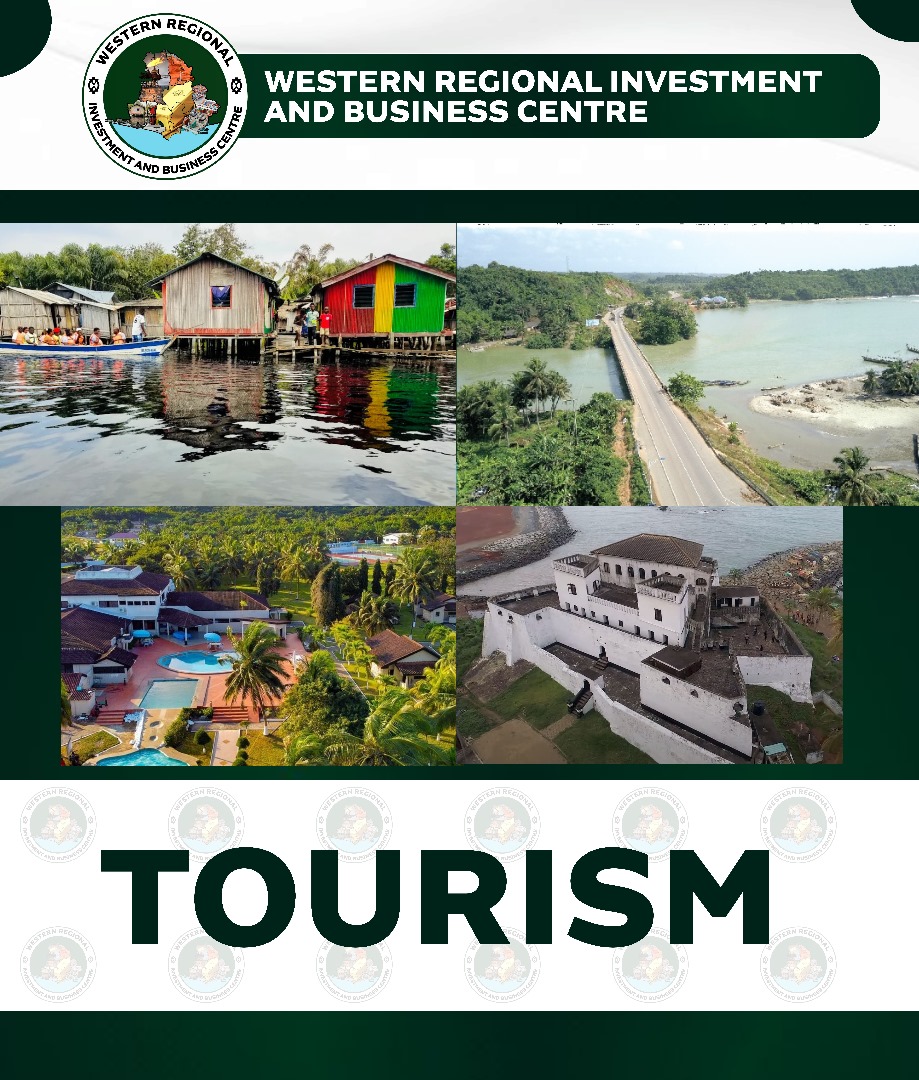
1. Ancient forts and castles such as Fort Apollonia (Beyin) and Fort Metal Cross (Dixcove) are UNESCO-listed heritage structures tied to Ghana’s colonial and transatlantic history.
2. Vibrant cultural traditions and festivals including Kundum, Ankos Festival (Takoradi Masquerade Festival) Yam Festivals, Essikado Kuntum Festival attract both locals and diaspora visitors.
3. Rich Ahanta and Nzema heritage with storytelling, drumming, traditional cuisine, and crafts.
- Natural Attractions
1. Over 192 km of pristine coastline, featuring serene beaches at Axim, Busua, Ankobra, and Cape Three Points.
2. Ecotourism reserves such as the Ankasa Conservation Area, Ghana’s most biologically diverse rainforest.
3. Nzulezu, the famous stilt village on Lake Tadane, is a unique water-based cultural experience.
- Investment Potential:
1. Guided tours, visitor centers, heritage restoration projects
2. Beachfront lodges, wellness retreats, and ecolodges
3. Cultural hubs with performance spaces, craft markets, and food courts
Hospitality Development Opportunities
Tourism in the region remains underdeveloped relative to its potential. There is significant demand for improved visitor accommodation and hospitality services:
1. Mid-range and luxury resorts, especially near beach towns like Busua, Axim, and Beyin
2. Budget-friendly hotels, hostels, and guesthouses for domestic travelers and youth tourists
3. Conference facilities and event venues to attract business tourism and regional gatherings
4. Restaurants, beach bars, and cultural dining experiences
Investors can tap into growing demand from:
- International tourists (diaspora, eco-travelers, cruise passengers)
- Ghana’s rising middle class seeking domestic travel options
- Mining and oil industry personnel requiring accommodation and services
Marine & Coastal Tourism
The Western coastline is ideal for marine-based tourism and water sports:
1. Development of diving, surfing, kayaking, and fishing charters
2. Boat cruises and heritage sailing tours from Axim to Cape Three Points
3. Coastal boardwalks and beach festivals
4. Investment in marinas, docking stations, and oceanfront resorts
The presence of marine life, coupled with relatively undisturbed waters, provides an ideal setting for conservation-centered tourism and research tourism.
Eco and Adventure Tourism
1. The region’s rainforest reserves and mountainous areas are perfect for hiking, bird watching, canopy walkways, and guided nature trails.
2. Opportunities to develop treehouse lodges, camping grounds, and forest cabins.
3. Community-based ecotourism initiatives offer investors the chance to support sustainable development while generating revenue
Tourism Services & Tour Operations
There is a need for:
1. Tour operators and travel agencies specializing in regional circuits
2. Transport services including shuttle buses, 4x4 rental, and airport pickups
3. Online booking platforms and tour apps for local experiences
4. Training schools for hospitality, culinary arts, and tourism management
Cultural Events & Festivals
1. Investment in organizing, branding, and promoting regional festivals can boost local tourism and attract sponsorship.
2. Development of cultural villages or amphitheaters for performances, storytelling, dance, and music.
These festivals can also be linked with diaspora return programs and heritage tourism initiatives supported by national and regional tourism boards.
Policy and Government Support
1. The Ghana Tourism Authority (GTA), Ministry of Tourism, and Western Regional Coordinating Council (WRCC) provide regulatory support and incentives for tourism investment.
2. Access to land in strategic locations through partnerships with local chiefs and assemblies.
3. Potential to benefit from tax incentives under Ghana’s tourism development framework.
Cultural Events & Festivals
1. Investment in organizing, branding, and promoting regional festivals can boost local tourism and attract sponsorship.
2. Development of cultural villages or amphitheaters for performances, storytelling, dance, and music.
These festivals can also be linked with diaspora return programs and heritage tourism initiatives supported by national and regional tourism boards.
Why Invest in Tourism & Hospitality in the Western Region?
- Untapped tourism sites with global appeal
- Pristine coastline ideal for resort and marine tourism
- Strong cultural heritage and year-round festivals
- Opportunities in accommodation, tours, and local experiences
- Supportive policy environment and local partnerships
- Rising demand from local, diaspora, and international markets